
The Do's and Do Not's of Apartment Maintenance Requests
A well-run apartment community depends on clear, timely communication between residents and the maintenance team. Whether you're reporting a leaky faucet, a broken amenity, or an immediate emergency, knowing how to submit a maintenance request the right way can save time, reduce frustration, and keep your home in top shape.
Here at Summer Green Apartments in Longview, TX, our team excels in helping residents with maintenance requests of all kinds. Weve come up with this handy list of dos and donts for getting maintenance issues solved efficiently and effectively.
Do: Prioritize Your Requests
Not all maintenance issues are created equal. When you submit a ticket, indicate whether it is high priority or low priority so the team can triage effectively.
- High priority: Problems like major water leaks, no heat in winter, no air conditioning in extreme summer heat, or a broken lock on your front door.
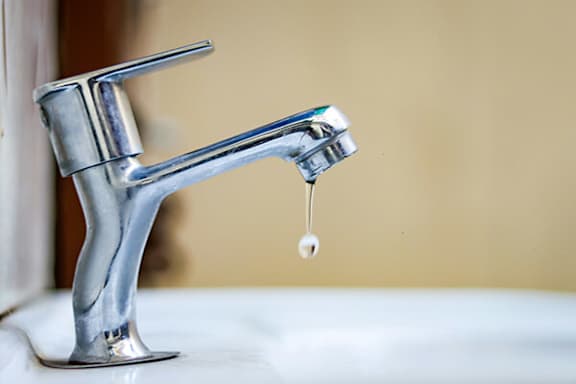
- Low priority: Issues that are inconvenient but not urgent, like a dripping faucet, a squeaky door hinge, or a burned-out lightbulb in your closet.
By labeling your maintenance request appropriately, you help ensure that emergencies are addressed first—without delaying routine repairs.
Don't: Mark Everything as Urgent
It's tempting to flag every issue as "high priority" to get faster service, but doing so can slow down response times for true emergencies. If your dishwasher isn't draining, that's important—but it's not on the same level as a gas leak or flooding.
When in doubt, check your lease or your community's maintenance guidelines for examples of what qualifies as urgent.
Do: Include Amenity Requests
Maintenance is not just for your apartment unit—it also covers shared amenities. If you notice that the treadmill in the fitness center is not working, the pool heater is out, or the community grill is broken, submit a request.
Amenity upkeep benefits everyone, and reporting issues quickly can prevent further damage or downtime.
Do: Describe the Issue in Detail
The more information you provide, the faster the maintenance team can diagnose and fix the problem. Include:
- What's happening: "The kitchen sink is leaking under the cabinet" is more helpful than "There's a problem with my sink."
- When it started: Did it happen suddenly, or has it been getting worse over time?
- Any troubleshooting you have tried: For example, "I reset the breaker, but the outlet is still dead."
Do: Attach a Photo
A picture can save a lot of back-and-forth. If your community's maintenance portal allows it, upload a clear photo of the issue. This helps the team bring the right tools and parts on the first visit.
Don't: Wait to Report Problems
Small issues can turn into big repairs if ignored. That tiny drip under the sink could lead to water damage and mold. Report problems promptly—even if they seem minor.

Urgent Maintenance Issues—Act Immediately
- No heat in winter or no cooling during extreme summer temps
- Possible gas leak or damaged gas lines
- Burst pipes or plumbing flooding your space
- Broken locks, doors, or windows
- Smoke or carbon monoxide detectors not working
- Severe pest or rodent infestations
- Dangerous damage in common areas (e.g., loose railings, falling debris)
If you experience any of these, call your community's emergency maintenance number right away.
When to Call 911 Instead
If the situation is life-threatening—such as a fire, active flooding from a burst pipe, or a suspected gas leak—call 911 first. Emergency responders can address immediate dangers, and you can notify your property manager once you are safe.
Don't: Use Emergency Lines for Non-Emergencies
Calling the emergency number for a burnt-out lightbulb or a slow-draining sink ties up resources that should be available for urgent situations. Use the regular maintenance request process for non-emergencies.
Do: Follow Up Politely
If you haven't heard back within the expected timeframe, it's okay to follow up. A friendly email or call to the office can clarify whether your request is in progress or needs more information.
Don't: Attempt Dangerous DIY Fixes
While it is fine to change a lightbulb or reset a tripped breaker, avoid tackling repairs that require specialized tools or skills. You could make the problem worse—or put yourself at risk.
Do: Keep Records
Save copies of your maintenance requests and any related communication. This can be helpful if the issue recurs or if you need to reference the repair history for your unit. Many communities schedule annual or semi-annual apartment maintenance inspections geared to proactively keep minor repairs from becoming costly big repairs.
How Often Do You Request Maintenance in Apartments?
Submitting a maintenance request the right way benefits everyone— you get faster, more effective repairs, and the maintenance team can work efficiently without unnecessary delays.
By prioritizing your requests, providing detailed descriptions and photos, and understanding what counts as an emergency, you'll help keep your apartment (and your community) in excellent condition.
If you’re looking for your next home, visit us at Summer Green Apartments, where our onsite maintenance team is fast, attentive, and professional. Our 1 and 2 bedroom floor plans are designed with the perfect balance of comfort, style, and breathability, providing residents with a blueprint for the good life. Schedule your tour today and discover Summer Green Apartments— home begins here.